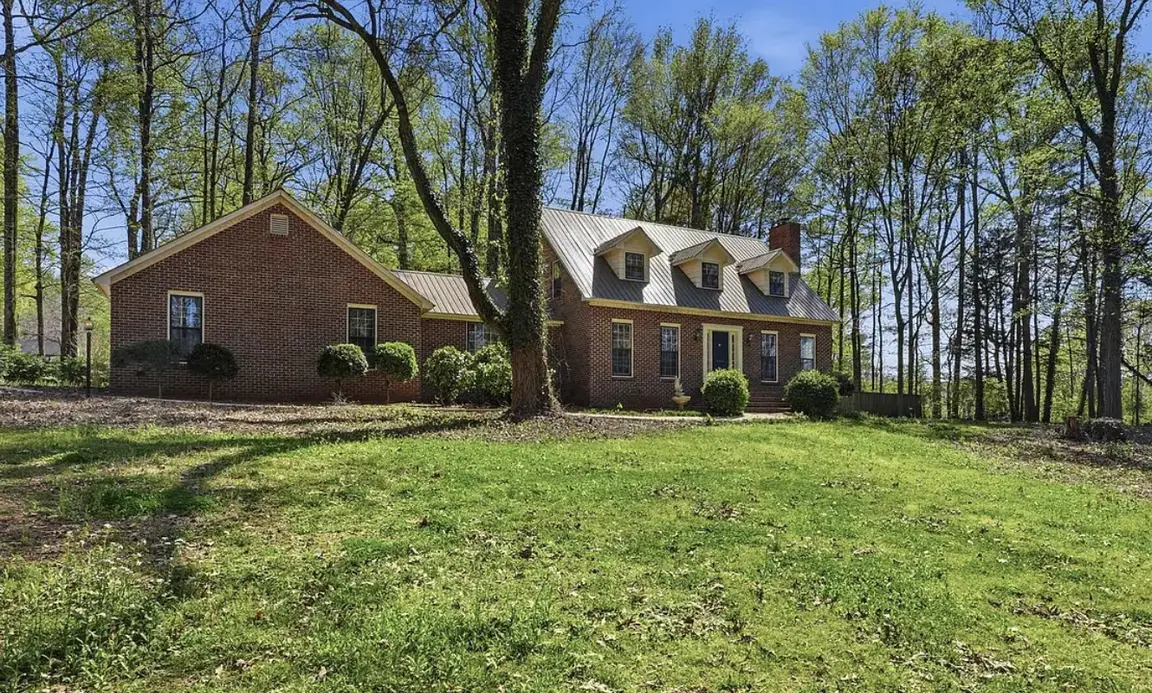
If you’re sitting on a piece of family land, you’ve probably already pictured it: the porch facing the tree line, the kids running across the same ground you grew up on. And there’s a quiet financial logic behind the dream too. Land you don’t have to buy sounds like the biggest line item in a custom home budget, already handled.
Sometimes it is. But we’ve also seen “free land” turn into one of the most expensive and emotional parts of a build, because the risks aren’t in the dirt. They’re in the paperwork, the access road, the septic soil, and the family conversations nobody had yet.
So let’s give you the honest version. Here’s what can go wrong when you build on family land or an inherited lot, how it compares to buying a lot on the open market, and how to protect yourself before you spend a dollar on plans.
A quick note: we’re builders, not attorneys or tax advisors. Anything involving title, wills, or taxes should be reviewed by a licensed Alabama real estate attorney. We’ll tell you where that matters.
The Short Answer: Where the Risks Actually Come From
| Risk | What It Looks Like | Who Solves It |
|---|---|---|
| Unclear ownership (heirs property) | The deed is still in a deceased relative’s name, or several relatives share the land | Real estate or probate attorney |
| Financing roadblocks | A construction lender can’t take the land as collateral | Attorney, then your lender |
| Building on land you don’t solely own | You pay for a house on a lot that other people also own | Attorney, with a written family agreement |
| Boundaries, access, and easements | Old deed descriptions, a shared driveway, or no legal road access | Licensed surveyor and attorney |
| Splitting a lot off a larger parcel | Subdivision approval, septic, and sewer requirements you didn’t expect | County or city planning office |
| Site conditions | Slope, rock, drainage, flood zones, and poor septic soils | Your builder, the health department |
| Taxes and the paper trail | Unpaid taxes, gift versus inheritance tax treatment | County tax office, CPA |
| Family dynamics | Disagreements over who pays, who stays, and what happens later | The family, in writing |
Family Land vs. Buying a Lot on the Open Market
On paper, family land wins on price. In practice, the two paths carry very different kinds of risk:
| What We Look At | Family Land or Inherited Lot | Lot Bought on the Open Market |
|---|---|---|
| Upfront land cost | Often little or nothing | A real line item in your budget |
| Title | Has to be verified, and may need to be cleared | A title search is a standard part of a purchase |
| Financing | Lender needs clear title in your name | Title is typically settled at closing |
| Knowing the land | Often chosen for sentiment and never evaluated | You can make the purchase depend on a survey, septic review, and site evaluation |
| Access and easements | May be informal or unrecorded | Usually surveyed and documented as part of the sale |
| Lot lines | May need to be carved out of a larger parcel | Often already platted |
| Other people with a stake | Family members, sometimes many of them | An arm’s-length transaction |
Here’s the part that surprises people: free land still comes with due diligence.
The difference is that on the open market, the process forces you to do it.
With family land, nobody makes you, and that’s exactly where the trouble starts.
Who Actually Owns the Land?
This is the big one. When someone dies without a will in Alabama, land generally passes to their heirs as tenants in common. That means each heir owns an undivided share of the whole property, not a specific piece of it. If the land has passed through a few generations without anyone updating the deed, you can end up with a long list of owners, some of whom don’t know they own anything. This is what’s known as heirs property.
Here’s what that means in practice:
- Any co-owner can ask a court to divide the property or order it sold, and they don’t need the other owners’ consent to ask.
- Alabama adopted the Uniform Partition of Heirs Property Act in 2014 (Ala. Code § 35-6A). It adds protections such as notice to all co-owners, an independent appraisal, and a chance for family members to buy out the person seeking a sale. It’s a safety net, not a cure.
- A property tax bill in your name doesn’t prove you own the land, and paying the taxes doesn’t increase your ownership share.
So which situation are you in?
Clearing title usually takes an attorney to identify the heirs and draft the right documents. It can take time, so start before you pay for house plans, not after.
| Your Situation | What It Means for a Build |
|---|---|
| The deed is still in a parent’s or grandparent’s name and the estate was never settled | Title likely needs to be cleared before most lenders or title companies will move forward |
| You’re one of several heirs and none of you has a deed to a specific piece | You need every owner’s agreement, and typically a deed that puts your lot in your name |
| The estate went through probate and the deed is in your name | You’re in good shape, but confirm it with a title search |
| A living relative is giving you the land | The gift should be completed by a recorded deed before construction starts |
Financing Won’t Wait for You to Sort It Out
Construction loans are secured by the land and the house. Lenders typically require clear, recorded title in the borrower’s name, and heirs property generally can’t serve as collateral. Many home improvement and mortgage programs have the same requirement.
Paying cash avoids the lender, but it doesn’t remove the underlying risk. If ownership is disputed, you’re the one with money in the ground.
The practical move: talk to a lender early, before design, and ask exactly what documentation they need on the land. That one conversation tells you whether you have a title issue to fix first.
Putting a House on Land You Don’t Fully Own
A house is permanently attached to the land, so it becomes part of whatever the land is. If you build on a parcel that’s still jointly owned, your home’s fate is tied to the family’s decisions. A disagreement, a co-owner who needs cash, or a death can put the property in front of a court, and a house you paid for can become a contested asset.
The fix is simple in concept, though not always easy in practice: get your lot deeded to you, or put a written agreement in place with every co-owner, reviewed by an attorney, before you build.
Boundaries, Access, and Easements
Family land is often described in old deeds, using landmarks, creeks, and neighbors’ names that may no longer exist. Before you design anything:
| Question | Why It Matters |
|---|---|
| Has the lot been surveyed recently by a licensed surveyor? | Old descriptions can be vague, and a house placed over a boundary line is a costly mistake |
| Is there a recorded legal right of access to a public road? | A lot reached only by an informal family driveway can be a problem for lenders and future buyers |
| Are the driveway and utility routes covered by recorded easements? | Power, water, and sewer lines may have to cross land you don’t own |
| Are there existing easements, such as power lines or pipelines? | They limit where you can build |
| Are there burial sites on the property? | Family cemeteries are common on older Alabama land and carry legal protections, so ask early |
Carving a Lot Out of a Larger Family Parcel
Deeding two acres by the creek to your son or daughter sounds like a simple handshake. In reality, dividing a larger tract may count as a subdivision, and the rules depend on where the land sits.
In unincorporated areas of Madison County, Madison County Public Works enforces the county’s Subdivision Regulations. Subdivision applications ask for items such as a plat and, where the lot will use septic, a report from the Madison County Health Department (or a sewer approval where public sewer is available). Inside the cities of Huntsville and Madison, the city planning office handles it. There are fees, surveys, and review time involved.
Don’t assume a transfer between family members is exempt. Confirm with the planning office before you promise anyone a lot, and well before you pay for plans.
The Land Itself Wasn’t Chosen for Building
Family land is often chosen for sentiment, not buildability. The spot with the best memories may be the one with the steepest slope, the most rock, or the worst drainage. That’s why we always recommend a site evaluation before you commit to house plans.
| What We Look At | Why It Matters |
|---|---|
| Slope and grade | Drives your foundation type, as we cover in our slab vs. crawl space guide |
| Soil and rock | Can add significant excavation cost |
| Drainage and flood zone | Affects site prep, insurance, and where the house can sit |
| Septic soil suitability | If there’s no public sewer, the health department decides what’s allowed |
| Distance to power, water, and sewer | Long utility runs add cost, and may cross someone else’s land |
| Trees and clearing | Clearing a wooded lot isn’t free |
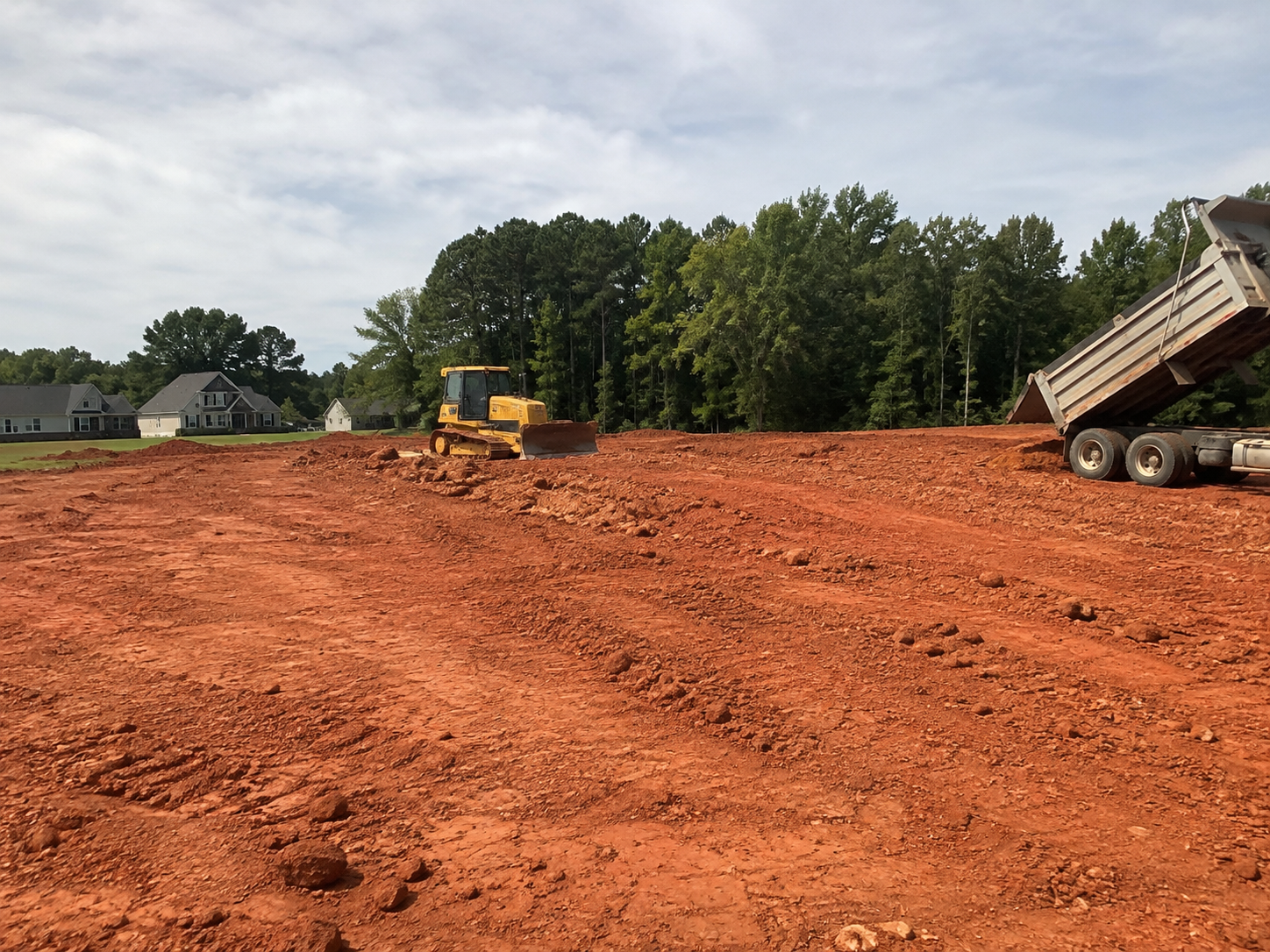
The real cost of preparing a lot is one of the most underestimated budget items we see. We break it down in our land and site work guide. “Free land” is free only until you price the site work.
Taxes and the Paper Trail
Property taxes. Unpaid property taxes can lead to a tax sale, and heirs property is lost this way more often than you’d think. If the tax bill goes to a relative who passed away, nobody may be watching it. Check with the county tax office that taxes are current. Building a new house will also raise the assessed value, so budget for a higher tax bill.
Gift versus inheritance. Land you inherit and land you’re given while the owner is alive can be treated differently for tax purposes, including how the property’s tax basis is set. We can’t advise on that, so talk to a CPA or tax attorney before the deed is signed.
Disaster recovery. After a storm, FEMA and insurers may require proof that you own the property. In a region that sees severe weather, having clear title is practical protection as well as paperwork.ot is one of the most underestimated budget items we see. We break it down in our land and site work guide. “Free land” is free only until you price the site work.
Family Dynamics
This is the risk nobody puts in a contract, and it’s the one that ends relationships. Questions worth settling out loud, and then in writing:
- Who owns the lot, and in whose name will the house be titled?
- If you sell someday, how does that affect siblings or parents who still own nearby land?
- If you divorce, move away, or pass away, what happens to the house?
- Does anyone else get a say in design, tree removal, or access?
Uncomfortable conversations now are cheaper than lawsuits later.
Mistakes We See on Family Land Projects
| Mistake | Why It Hurts |
|---|---|
| Designing the house before confirming title | If ownership has to be cleared first, you may pay for plans you can’t use for months |
| Relying on a handshake or verbal permission | A verbal agreement won’t help you with a lender, a title company, or a court |
| Skipping the survey | Boundary or setback problems surface after the foundation is poured |
| Assuming the family lot split is automatic | Subdivision approval and septic or sewer review can add time and cost |
| Budgeting only for the house | Site work, septic, utilities, and driveway can add tens of thousands |
| Ignoring the tax bill | A tax sale can put the entire property at risk |
Your Pre-Construction Checklist
| Step | Who Helps | Why |
|---|---|---|
| Pull the current recorded deed for the property | Madison County Judge of Probate records office, or your attorney | Shows who the record owner actually is |
| Confirm all owners and get title in order | Real estate or probate attorney | Clears the way for financing and protects your investment |
| Order a boundary survey | Licensed surveyor | Locks in the lot lines, easements, and setbacks |
| Check septic or sewer availability | County health department, utility provider | Decides what’s allowed on the lot |
| Confirm zoning, setbacks, and any HOA rules | County or city planning office | Prevents redesigns |
| Get a site evaluation | Your builder | Identifies slope, soil, and drainage costs before you commit |
| Talk to a lender | Construction lender | Tells you what documentation they require |
| Put the family agreement in writing | Attorney | Protects everyone’s investment and relationships |
You don’t have to do these in a rigid order, but the first three come before everything else. Our post on how long it really takes to build here explains how title, survey, and permitting delays push a start date back, and what happens if your build goes over budget shows why surprises on the land are among the most common causes.
Family land can still be the best start a custom home ever gets. The sentiment is real, and so is the head start. But the house is the easy part. Title, access, soil, and the family agreement decide whether this goes smoothly or becomes the most stressful chapter of your build. Do the unglamorous work first, and the porch facing the tree line stays a dream instead of a dispute.
Thinking About Building on Family Land?
At Redstone Ridge Homes, we build custom homes on family land and inherited lots across Huntsville, Madison, Hampton Cove, Harvest, Meridianville, and the rest of Madison County. We’ll evaluate your site, walk you through what the land realistically means for your plan and budget, and work alongside your attorney and surveyor so nothing gets missed. We’re not attorneys, and we’ll tell you honestly when something needs one.
Contact Redstone Ridge Homes for a free consultation, and let’s look at your land before you commit to a plan.
Call 256-216-4580 to get started.
Your Dream. Our Blueprint.